

Event Solutions
Our Work
New Year, New Booths: What’s Changing in Event Design This Year
As a new year begins, the trade show floor is getting a refresh. In 2026, event design is evolving to meet higher expectations from attendees who want engaging, intuitive, and visually compelling experiences. Booths are no longer just spaces to display products. They are becoming immersive brand touchpoints designed to capture attention, communicate clearly, and drive meaningful interactions.
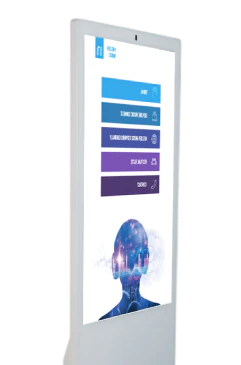
One of the biggest shifts in event design is the move away from static signage. Printed graphics still have a place, but they lack flexibility. Brands are increasingly turning to digital displays to deliver dynamic messaging that can change throughout the day, adapt to different audiences, and highlight multiple products or campaigns within the same footprint. LED posters, large format screens, and touchscreens allow exhibitors to tell a story rather than present a single snapshot.
Booth layouts are also becoming more intentional. Instead of crowded spaces filled with furniture and signage, designers are prioritizing open layouts that guide attendee flow. Clear sightlines, well positioned screens, and dedicated interaction zones help visitors immediately understand what a brand offers. Technology plays a key role here, acting as both a visual anchor and an engagement tool that draws people into the booth naturally.
Interactivity continues to shape how booths perform on the show floor. Touchscreens are being used for product exploration, demos, lead capture, and wayfinding. Attendees want control over how they consume information, and interactive displays allow them to explore content at their own pace. This not only improves engagement but also frees booth staff to focus on higher value conversations.

Another major trend is efficiency. Exhibitors are looking for solutions that reduce setup time, simplify logistics, and remain consistent across multiple events. Modular booth components and reusable digital hardware make it easier to scale up or down depending on the show. With the ability to update content remotely, brands can reuse the same physical setup while tailoring messaging for each audience or event location.
Power planning and logistics are also getting more attention. As booths rely more heavily on technology, exhibitors are becoming more proactive about understanding electrical requirements, union labor rules, and move in timelines. Early coordination and clear communication are now essential parts of event design planning, not afterthoughts.
Sustainability is another factor influencing design decisions. Digital signage reduces the need for reprinting graphics for every show, helping brands cut waste while maintaining a fresh look. Reusable hardware and flexible content strategies support both environmental goals and long term cost savings.
The takeaway for 2026 is clear. Successful booths are designed with adaptability, engagement, and clarity in mind. A strong event presence is no longer about how big a booth is, but how well it communicates and connects. With the right mix of design, technology, and planning, exhibitors can turn their booth into an experience that stands out long after the show ends.